
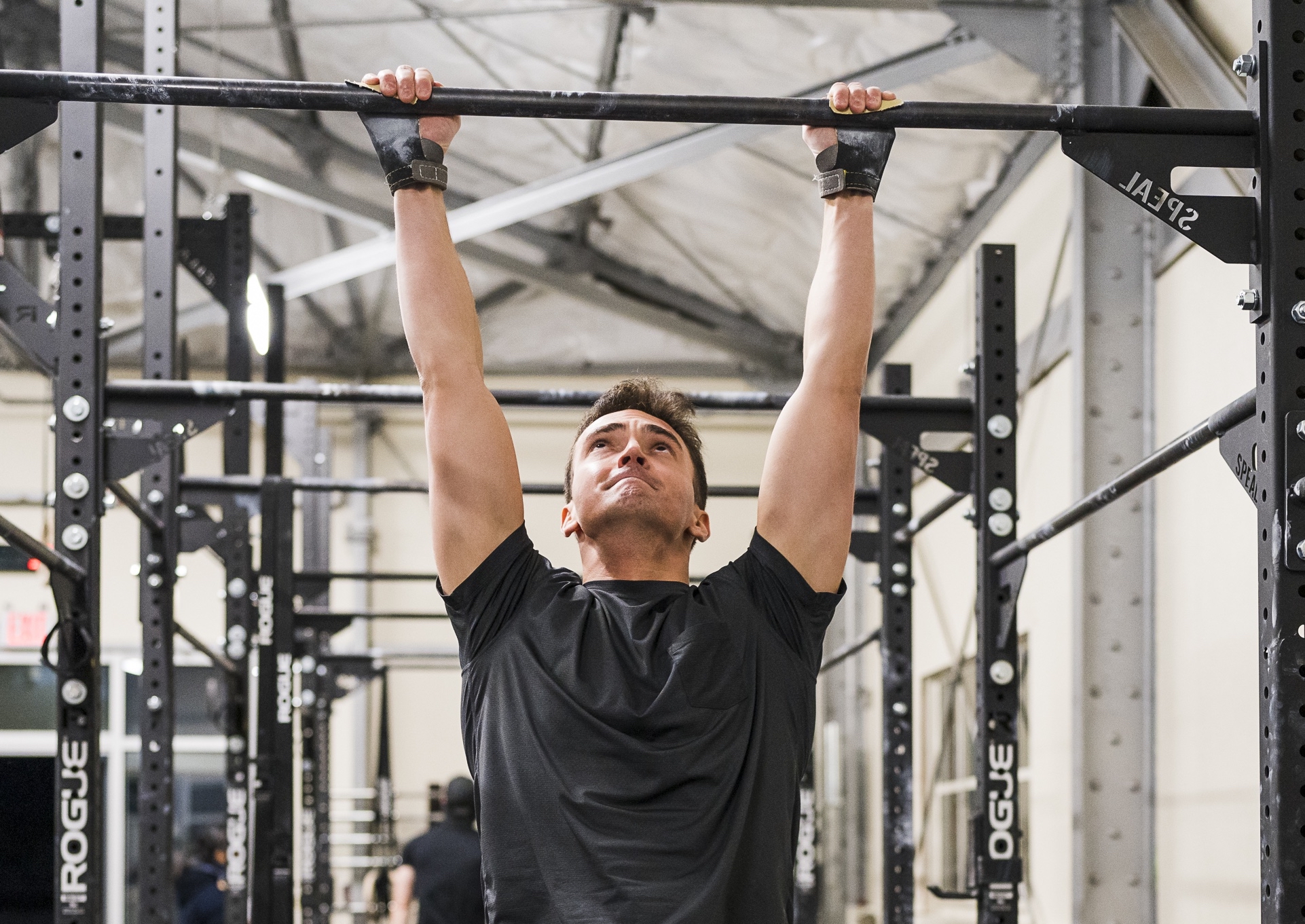
When it comes to fitness, sometimes the simplest tools are the most effective. Your body is a gym in itself, and exercises like push-ups, pull-ups, squats, and planks are more than just convenient—they’re foundational to strength, mobility, and overall health. Whether you’re a beginner or a seasoned athlete, understanding why bodyweight exercises matter and how to improve at them can transform your fitness journey.
Why Bodyweight Exercises Are So Important
1. Functional Strength
Bodyweight exercises train your muscles in coordination with your own body, mimicking real-life movements. Unlike machines that isolate muscles, exercises like push-ups or pull-ups engage multiple muscle groups, improving functional strength that carries over to everyday activities - lifting, pushing, pulling, static holds, or even running.
2. Core Stability and Balance
Almost every bodyweight movement requires core engagement. Planks, push-ups, or single-leg squats force your body to stabilize, improving posture, balance, and injury prevention. A strong core isn’t just aesthetic - it’s the foundation for all athletic performance.
3. Accessibility and Convenience
No gym? No problem. Bodyweight exercises require little to no equipment, making them perfect for home workouts, travel, or outdoor training. You can progress anywhere, anytime, with just your own body.
4. Scalable for All Levels
Whether you’re just starting or are an elite athlete, bodyweight exercises are infinitely scalable. Beginners can do incline push-ups or assisted pull-ups, while advanced athletes can try one-arm push-ups, muscle-ups, or explosive variations.
5. Builds Muscular Endurance
Bodyweight training not only builds strength but also muscular endurance, allowing your muscles to perform longer under load - perfect for sports, endurance challenges, or daily life.
Benefits of Key Bodyweight Exercises
ExerciseKey BenefitsPush-upsChest, shoulders, triceps, core stabilityPull-upsUpper back, biceps, grip strength, shoulder stabilitySquatsGlutes, quads, hamstrings, hip mobilityPlanksCore stability, posture, spinal alignmentLungesBalance, unilateral leg strength, hip mobility
Bodyweight exercises promote joint health and mobility by encouraging proper movement patterns, which can reduce the risk of injury in weightlifting or sports.
How to Get Better at Bodyweight Exercises
1. Perfect Your Form
Quality beats quantity. Make sure each rep is performed with proper alignment - neutral spine, engaged core, and controlled movement. This ensures effectiveness and reduces injury risk.
2. Progress Gradually
- Push-ups: Start with knee push-ups → incline push-ups → standard push-ups → weighted or explosive push-ups.
- Pull-ups: Start with band-assisted pull-ups → negative pull-ups → standard pull-ups → weighted pull-ups.
- Planks: Start with hands on bench knee planks → elbow plank on knees → hand plank/elbow plank on feet.
3. Frequency and Consistency
Like any skill, strength develops with consistent practice. Aim for 2–4 focused sessions per week, including warm-ups and mobility drills.
4. Accessory Work
Strengthen supporting muscles. For pull-ups, train your biceps, lats, and grip. For push-ups, focus on shoulders, chest, and triceps. Accessory work prevents plateaus and improves overall performance.
5. Challenge Yourself
Once you can perform multiple reps with good form, add variations or volume. Explosive movements, tempo changes, or unilateral exercises push your strength further and keep training interesting.
Bodyweight Training Is a Foundation, Not a Fad
Push-ups, pull-ups, and other bodyweight exercises are timeless for a reason. They build strength, improve endurance, enhance mobility, and can be adapted for all levels. Most importantly, they teach your body to move efficiently and powerfully - skills that carry over into every sport, activity, and stage of life.
If you want to master your bodyweight, start simple, focus on form, and progress gradually. With consistency, your strength and confidence will grow - no equipment required.


